
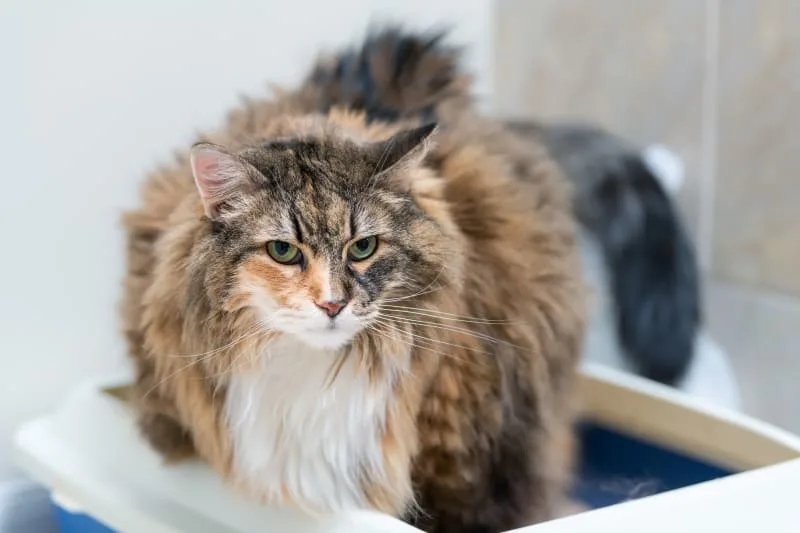
Constipation can make cats uncomfortable and restless, and can also be a health concern. An emergency vet in Little Elm has shared signs, causes, and tips for treating constipation in cats.
What is constipation in cats?
Cats usually poop every 24 to 36 hours. If your cat is pooping less often, straining, or not leaving any poop in the litter box, it's likely constipation. It's a common problem in cats and can usually be treated at home.
If it becomes frequent or lasts more than 48-72 hours, contact your vet because it can be a sign of serious health issues and can cause discomfort.
What causes constipation in cats?
Constipation can occur if things aren’t moving normally through the intestines. Factors contributing to your cat’s constipation may include:
Pain or other issues in the spine
Anxiety or stress
Arthritis pain
Dry food diets (can predispose cats to constipation and dehydration)
Not enough fiber in her diet
An obstruction such as bones or string blocking the colon
Kidney issues
Excessive grooming (leads to extra hair in the digestive tract)
Feline megacolon (colon gets large enough that the muscles no longer squeeze and hard, dry stool builds up inside)
Inflammatory bowel disease
Allergies
Nerve problems
Narrow places, tumors or other problems inside the colon
Cancer
Chronic diseases such as hyperthyroidism, diabetes or kidney disease
Ruptured or impacted anal sacs (can also cause pain with defecation)
Perianal disease
Though elderly cats experience constipation more often than kittens, the condition can develop in cats of any breed or age who eat a low-fiber diet or don’t drink enough water.
What are the symptoms of constipation in cats?
Cat poop is usually well-formed, brown, and moist enough to stick to litter. Signs of constipation in cats are hard, dry stools that may end up inside or outside the litter box.
Your cat may leave the litter box before finishing passing these stools due to discomfort.
Other symptoms of constipation may include:
Entering and exiting litter box multiple times when needing to go
Straining or crying in the litter box
Avoiding litter box
Not being able to poop at all
If you notice signs of discomfort when your cat uses the litter box, contact your vet, as this may indicate serious urinary tract issues.
Since constipation is a symptom of other health issues, you may also see signs of the underlying condition, which may include:
Decreased appetite
Drinking more or less water
Hiding
Difficulty jumping up
Muscle loss
Weight loss
Nausea
Vomiting
Peeing more
Walking stiffly
If your cat is displaying any of these symptoms with or without constipation, consult a veterinarian.
How to treat constipation in cats?
Constipation in cats can range from mild to severe, and some cases require veterinary attention to prevent permanent damage.
If your cat is unable to pass urine or feces or experiences pain while doing so, it is an emergency. Your vet may conduct diagnostic tests, remove impacted feces, provide fluids or an enema for immediate relief, and prescribe medication or recommend over-the-counter remedies. It's crucial to note that enemas designed for humans are toxic to cats, and enemas should not be performed at home.
Long-term constipation or obstipation may indicate megacolon, an enlarged intestine that requires medical treatment. In some cases, removing the affected section of the large intestine may be necessary for cats with chronic constipation or megacolon that does not respond to medical treatment.
How to treat constipation in cats: At-Home Remedies
These at-home remedies may help to relive your cat’s constipation:
Minimize stress and anxiety
Increase exercise to help with weight loss, reduce anxiety and promote normal movement of intestines
Try a new diet (lamb, chicken, special limited ingredients or hypoallergenic diets) to reduce inflammation and allow intestines to move things normally
Try fiber-rich foods, a teaspoon of canned, pureed pumpkin once or twice a day, or ginger as natural remedies
Provide probiotics
Help your cat maintain a healthy weight
Over-the-counter laxatives (consult your vet, as these may worsen symptoms in cats with underlying or chronic diseases)
Should I watch my cat for constipation?
Keep track of your cat's litter box deposits and stool consistency at least twice a week initially, then weekly or biweekly.
Contact your veterinarian f you see hard, dry feces, notice your cat is straining while defecating or showing other symptoms of constipation. If diarrhea is also present, it can cause dehydration quickly, so prompt veterinary attention is necessary.
Is your cat showing symptoms of constipation? Visit our Little Elm vets emergency hospital to receive urgent care for your cat. Any time of the day or night, our emergency vets are here whenever your pet needs us.